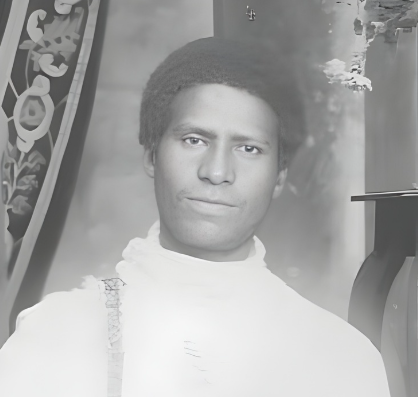
Biography
Life before Yekatit 12 Massacre
Lij Haile Wolde Meskel was the son of Tsehafi Tehezaz Wolde Meskel Tariku, a high-ranking Ethiopian statesman. He was born in 1895 in Ethiopia. The name of his mother remains unknown.
Very little is known about his early life. Family accounts describe him as a gifted man, possibly with strong mathematical abilities. He may have worked at Merha Tibeb Matemia Bet, the Merha Tibeb printing press, and possibly also as an auditor in the imperial palace. He had two children from different unions: Almaz Work, with Tedbabe Mariam Haile, and Samson, with Tsehay Work Desta.
Imprisonment and Exile
After the events of Yekatit 12 and during the fascist occupation of Ethiopia, Haile Wolde Meskel was arrested in 1937. He was forcibly taken to Asinara Island with his father, Wolde Meskel Tariku, his brother Maheteme Selassie Wolde Meskel, members of the imperial family, and other Ethiopian dignitaries.
The journey to Asinara lasted eight days under extremely harsh conditions. The prisoners were shackled, poorly fed, and psychologically mistreated. On Asinara, the detainees were later allowed to prepare their own meals and used a shared interfaith prayer space, where Muslims and Christians prayed together.
Haile’s health was already fragile at the time of his arrest, and it deteriorated further during detention. He was bedridden for much of his stay on Asinara. Because of his worsening condition, he was transferred to the hospital in Sassari, Sardinia, together with another ill detainee, Dejazmatch Demissie, and accompanied by his brother Maheteme Selassie.
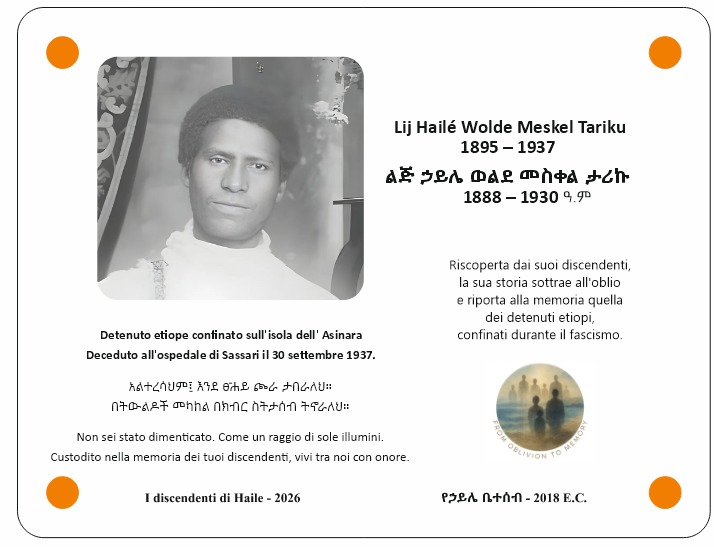
Despite receiving medical care, Haile died in exile on September 30, 1937, reportedly from dysentery and hepatitis. He was buried with dignity in the cemetery of Sassari. Later, when the original burial site was erased, his remains were transferred to a mass grave.
Legacy and Memory
Haile never returned to Ethiopia. His father and brother returned in 1938, but for many years his own memory faded within family history. It was only recently revived through a photograph, family curiosity, testimonies, archives, and the research of his descendants.
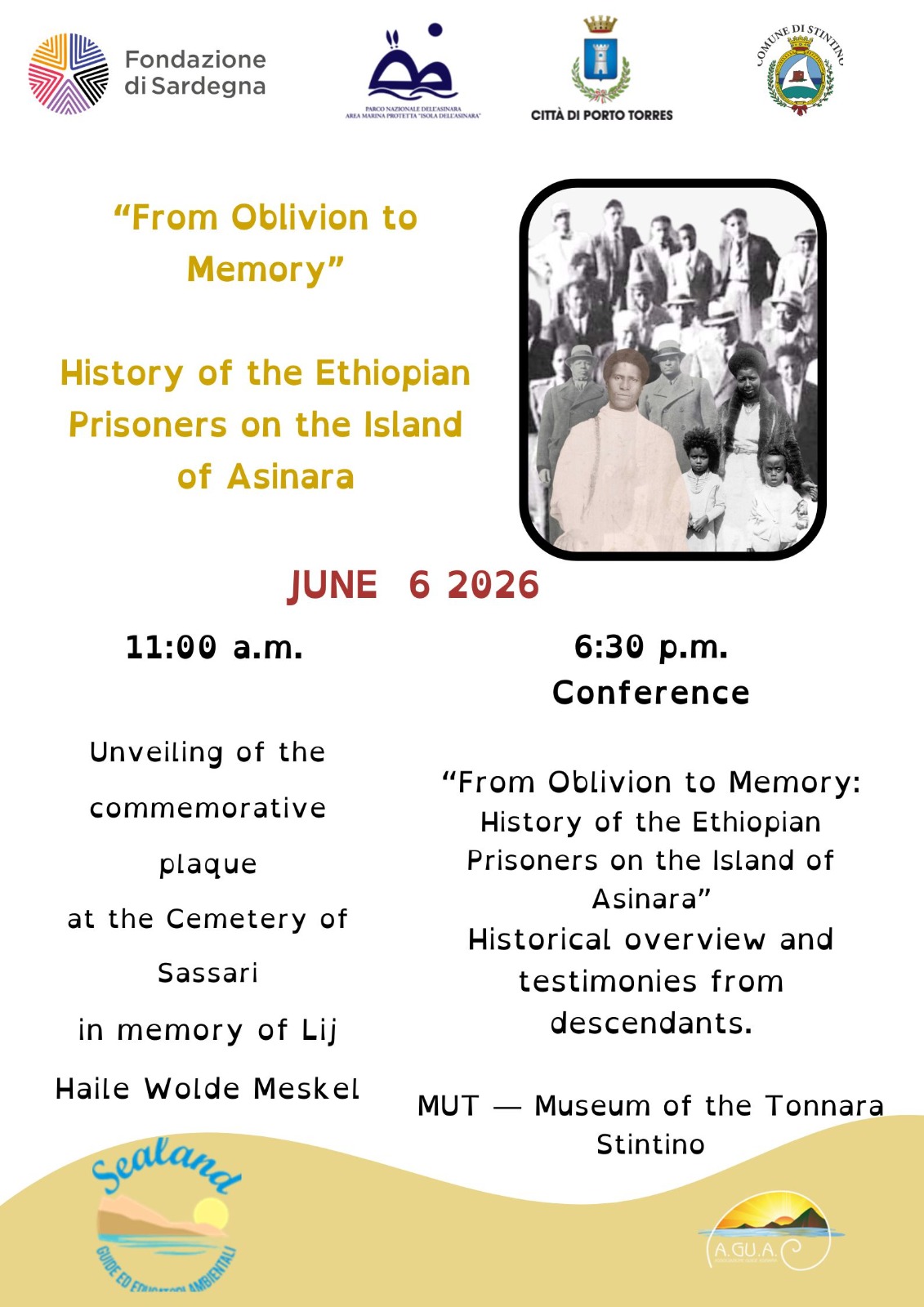
His story was rediscovered and brought back to light by his great-granddaughter Elfy Getachew Nouvellon and her family — Yann, Sarah, Menelik, Pierre-Habte, and David — through research, a family documentary, and a public commemoration in Sardinia. Today, Lij Haile Wolde Meskel’s story stands as a symbol of remembrance, dignity, and resilience for an entire generation of Ethiopians silenced in exile.
Detention Location
Are you related to Haile WoldeMeskel +?
If you have documents, photographs, or stories about Haile WoldeMeskel +, we would love to hear from you.
Share your story →